

Workplace Injury (WSIB)
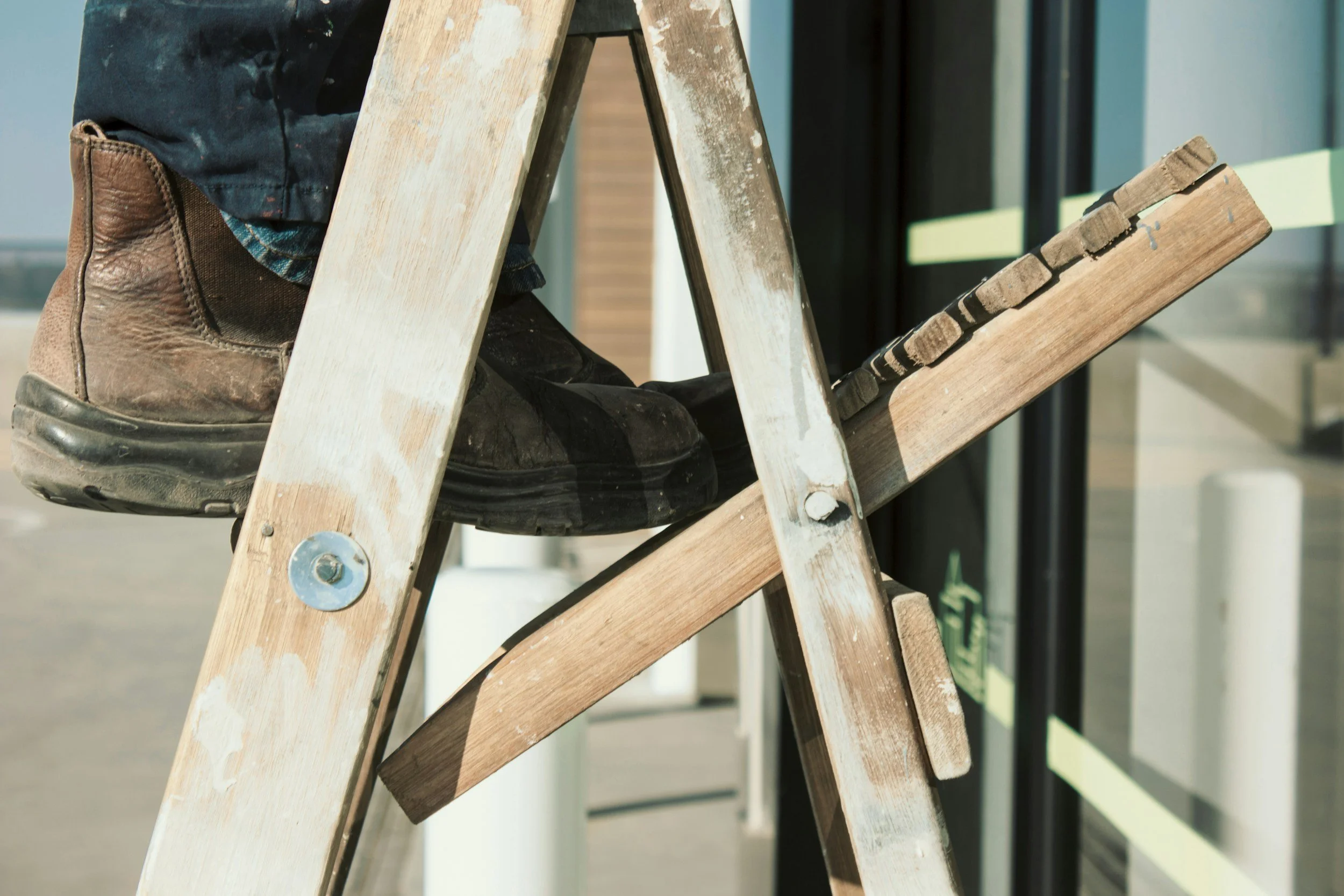
Steps to Take if You Are Injured at Work
Prompt Reaction: Obtain first aid or medical attention depending on the extent of the injury.
Report the Injury: As soon as possible, inform your boss or supervisor about the injury. Workplace injuries must be reported within a specific time in many jurisdictions.
Documentation: You might receive forms from your employer to complete about the injury. It is crucial to give precise and comprehensive details regarding the nature of the injury and how it happened.
Seek Appropriate Healthcare Attention: Most non-catastrophic workplace injuries are manageable by a combination of your family physician, chiropractor and physical therapist.
Musculoskeletal WSIB Claims
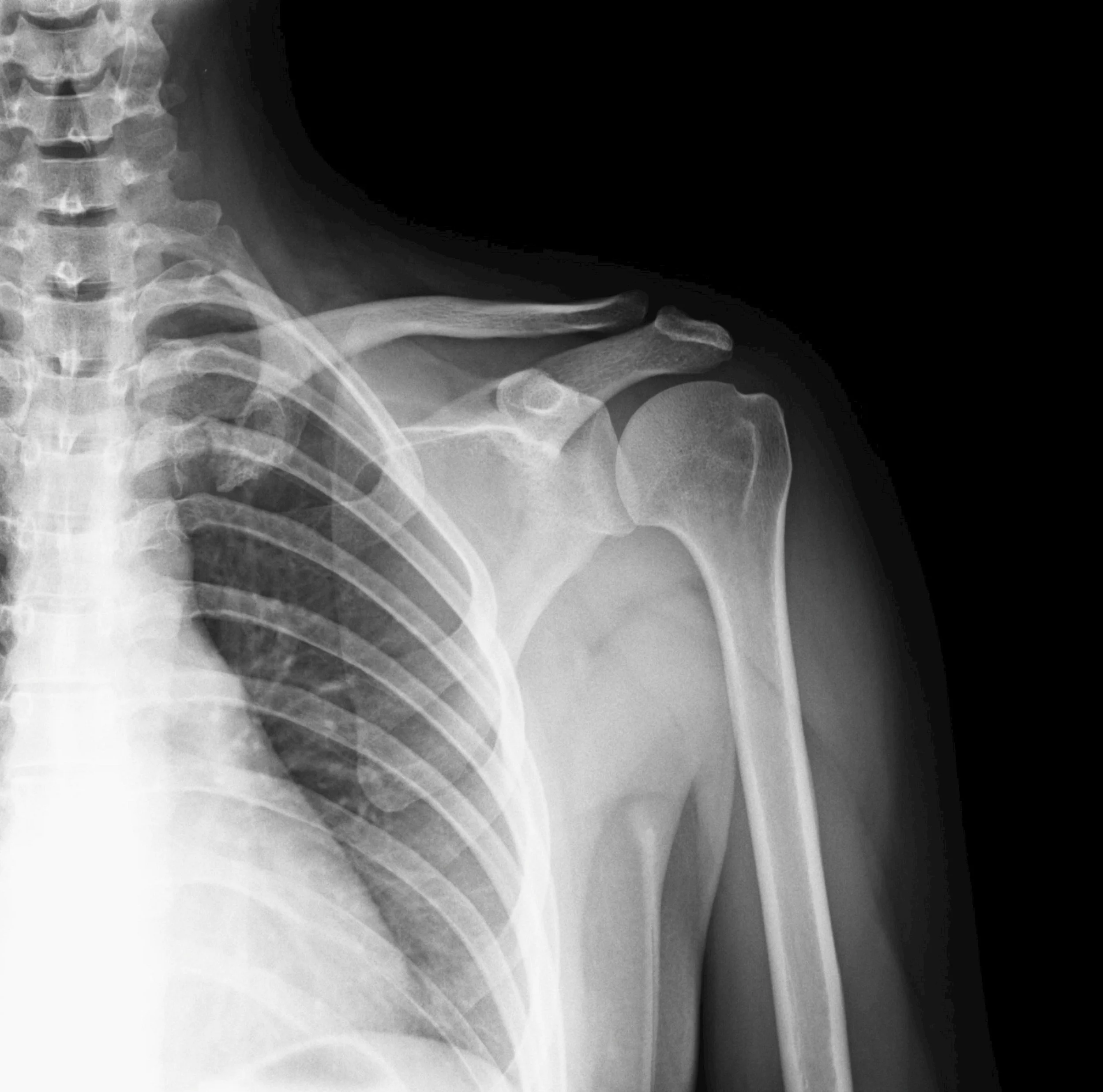
Common Examples of Workplace Injury Include:
Neck, Upper & Low Back Strain/Spasm
Shoulder Injuries/Rotator Cuff Tears
Tendinopathies (ex: “Tennis Elbow”)
Concussion
Spinal Disc Bulges/Herniations
Fracture
Common Fields that Experience Workplace Injury:
Construction
Healthcare
Office Setting
Trades
Heavy Manual Labour
Common Mechanisms of Injury
Heavy Lifting (Or Light/Moderate Lifting if Infrequent)
Repetitive Movements
Awkward Ergonomic Work Setup
Prolonged Sitting OR Prolonged Standing (mix it up!)
Slip & Falls