

Motor Vehicle Accident (MVA)

What to do in an MVA
Ensure Safety First.
Call 911 if Required & Follow First-Responder Instruction
Exchange Information
Document the Scene
Take photos of damage, license plates etc.
Report the Collision
Notify Your Insurance Company
See Your Medical Provider or Chiropractor
Symptoms of “Whiplash” (N.A.D. GRADE II, III)
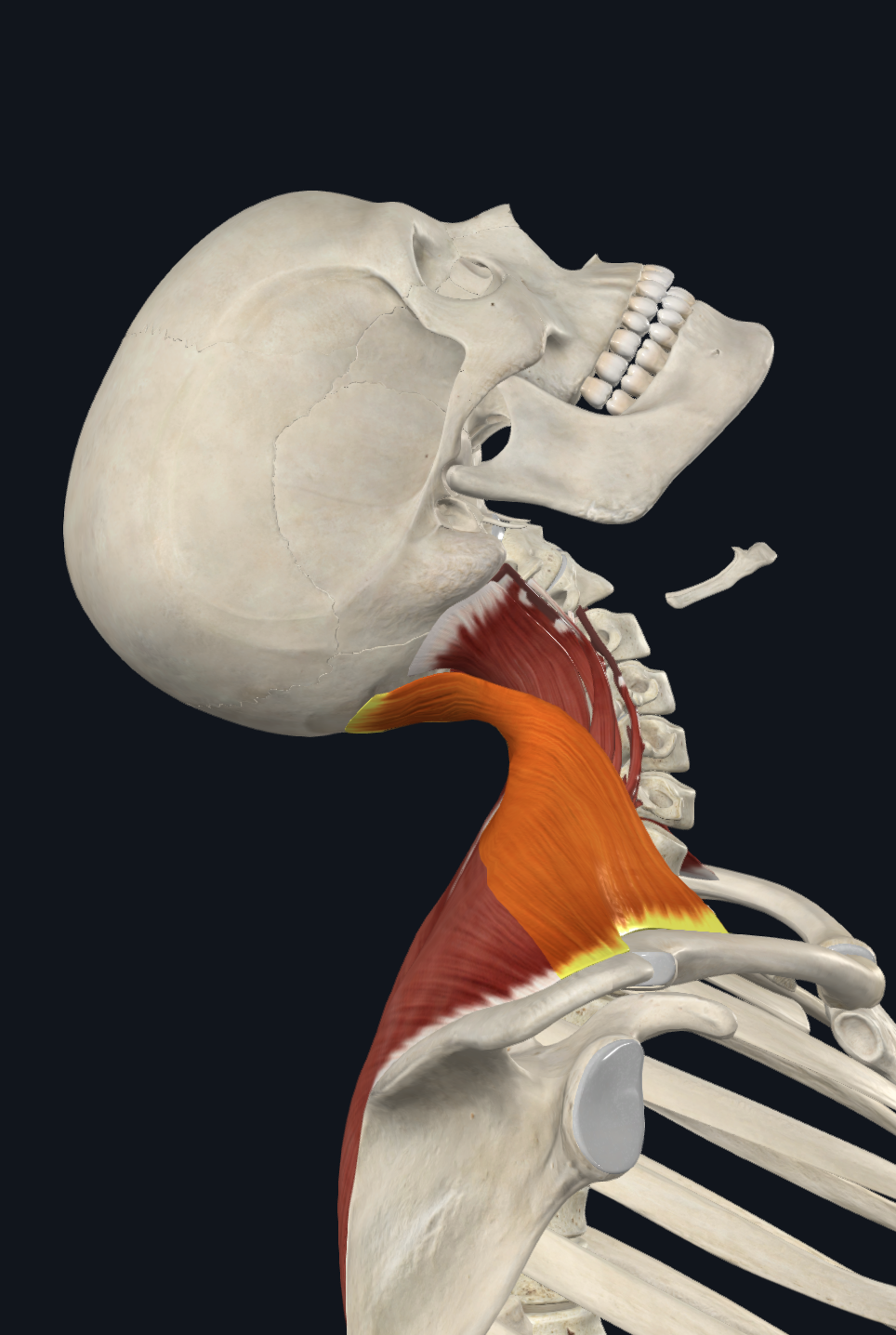
Common Symptoms Include:
Neck, Upper Back or Shoulder Pain/Stiffness/Tenderness
Gradual Onset of Pain
Reduced Range of Motion in the Neck, Back or Shoulders
Headaches (often starting at the base of the skull)
Sensation of a “Sore Throat” (You Aren’t Sick, it’s Throat Muscule Strain)
Pain that Worsens with Movement
Jaw (TMJ) Pain or Discomfort
Signs of Concussion
Dizziness
Fatigue
Ringing in the ears
Difficulty concentrating or “brain fog”
Sleep disturbances
Red Flag Emergencies (CALL 911)
Loss of Consciousness
Immediate, Excruciating Pain
Suspected Fracture
Severe Bleeding
Loss of Ambulation (Unable to Walk)